
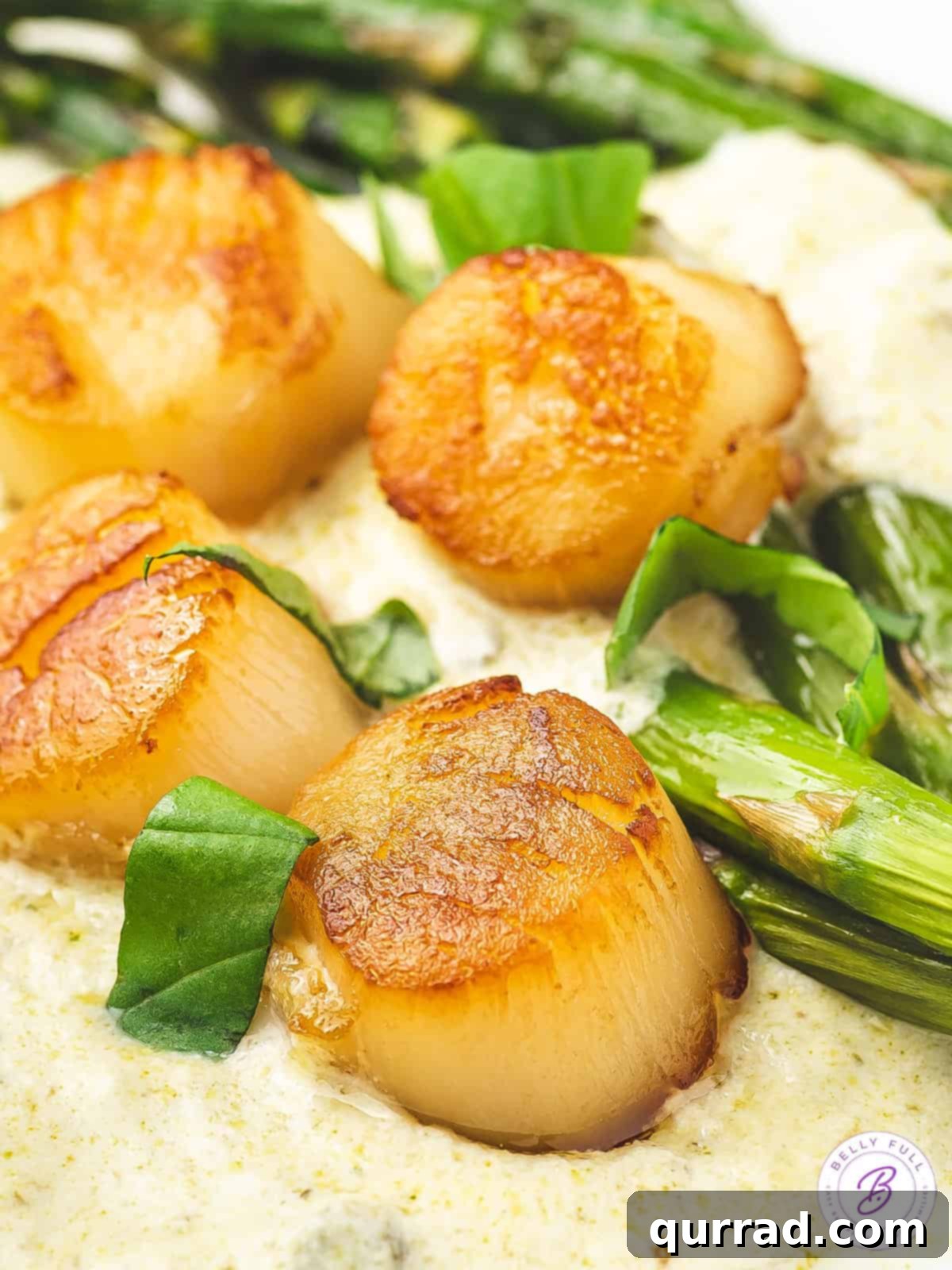
Transform your dinner table into a gourmet experience with these exquisite Seared Scallops with Pesto Cream Sauce. Requiring just a handful of fresh ingredients, this dish delivers perfectly cooked, golden-brown scallops nestled in a rich, velvety pesto cream sauce. It’s an ideal choice for impressing dinner guests or celebrating a special occasion, yet it’s surprisingly simple and quick enough to prepare for a sophisticated weeknight meal, ready in under 20 minutes from start to finish!
If you’re a fan of scallops, be sure to also explore our seared scallops with crispy pancetta for another delightful culinary adventure.
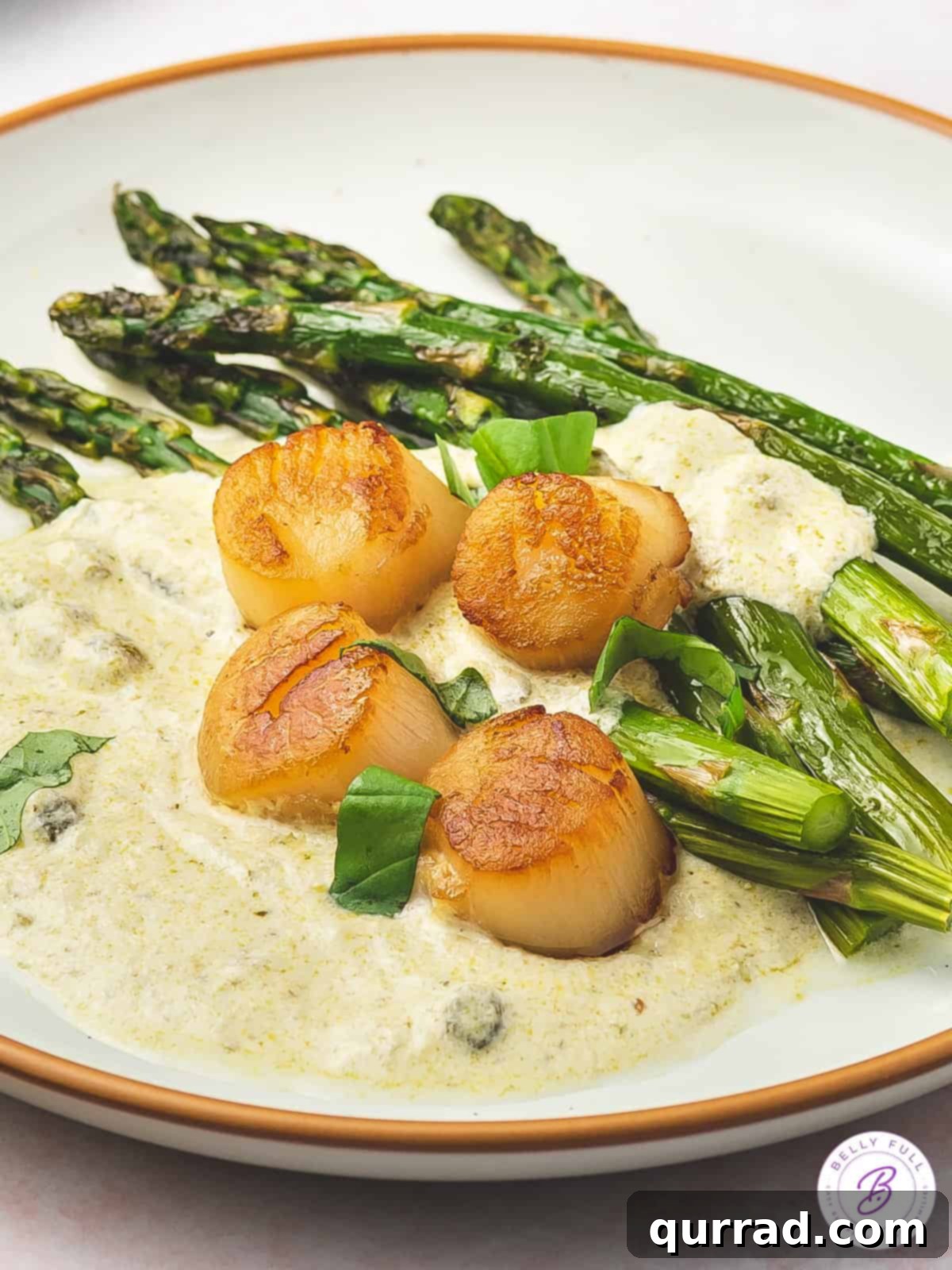
Effortless Elegance: Your Guide to Perfect Seared Scallops with Pesto Cream Sauce
Imagine serving a dish that looks like it’s been meticulously prepared by a professional chef, only to reveal it took mere minutes in your own kitchen. This is the magic of our Seared Scallops with Pesto Cream Sauce. This recipe is a true culinary gem – sophisticated enough for the most discerning dinner party, yet so straightforward it can become a regular part of your weeknight repertoire. It’s the ultimate secret weapon for anyone looking to impress without the stress.
The secret lies in the simplicity and speed. Scallops, delicate and quick-cooking, achieve a beautiful golden crust in just 5 minutes. The luxurious pesto cream sauce comes together almost simultaneously, adding a layer of rich, herbaceous flavor that elevates the entire dish. In less than 20 minutes, you can have a meal on the table that tastes like it was hours in the making, leaving you more time to savor the moment with your finest friends and family.
Unveiling the Delicacy: What Exactly Are Scallops?
Scallops are a true treasure of the sea, belonging to the family of bivalve mollusks, which also includes clams, oysters, and mussels. Renowned for their distinctive, slightly sweet and buttery flavor, coupled with an incredibly delicate and tender texture, scallops offer a unique seafood experience. Their rapid cooking time makes them an ideal choice for quick and elegant seafood dinners, perfect for both novice and experienced cooks.
Bay Scallops vs. Sea Scallops: A Culinary Distinction
While all scallops share a similar delightful taste and texture, they primarily come in two distinct varieties that cater to different culinary applications: bay scallops and sea scallops.
- Bay Scallops: These smaller, more tender scallops are typically harvested from the shallow, protected waters of bays along the East Coast. Averaging about half an inch in diameter, their diminutive size makes them perfect for quick sautés, delicate pasta dishes, or as an elegant garnish for salads. Their delicate nature requires even shorter cooking times to prevent them from becoming tough.
- Sea Scallops: Considerably larger, these robust scallops are harvested from the deeper, colder waters of the ocean floor. They can range from 1 to 2 inches in diameter, offering a meatier bite and a more pronounced sweet ocean flavor. Sea scallops are the preferred choice for searing, grilling, or broiling, as their size allows for a beautiful, caramelized crust while maintaining a tender, succulent interior. For this particular recipe, large sea scallops are highly recommended to achieve that signature golden sear and satisfying texture.
Understanding the difference between these two types will help you select the best scallops for your desired dish, ensuring a perfect outcome every time.
Essential Ingredients for Your Scallop Masterpiece
This impressive seared scallop recipe thrives on its simplicity, calling for just a few high-quality ingredients that harmonize to create a truly memorable meal. Focus on freshness, and you’ll be rewarded with exceptional flavor. (For detailed measurements, please refer to the recipe card below.)
- Scallops: The star of our dish! Opt for large, fresh sea scallops. When selecting, look for plump, firm scallops with a translucent, creamy color. If purchasing frozen, ensure they are wild-caught and sustainably sourced for the best flavor and environmental responsibility. Approximately 1 pound, or about 20 large scallops, will serve four.
- Salt & Pepper: Simple yet essential seasonings. A good pinch of freshly ground black pepper and fine sea salt will enhance the natural sweetness of the scallops without overpowering them.
- Unsalted Butter: Crucial for achieving that beautiful golden-brown sear and adding a rich, nutty flavor to the scallops and the sauce base. Using unsalted butter gives you precise control over the overall saltiness of the dish.
- Heavy Cream: The foundation of our luxurious sauce, heavy cream provides an unparalleled richness and velvety texture. Choose a full-fat variety for the best results.
- Low Sodium Chicken Broth: Adds depth and thins the cream sauce slightly while complementing the delicate flavors of the scallops. Using low-sodium broth allows you to adjust the seasoning to your preference.
- Basil Pesto: The vibrant heart of our cream sauce. While a good quality store-bought jar works wonderfully for convenience, making your own homemade basil pesto is highly recommended for an unparalleled fresh, aromatic flavor that truly elevates the dish.
- Capers: These tiny, briny flower buds introduce a delightful tangy and salty counterpoint to the rich cream sauce, cutting through the richness and adding a pop of bright flavor. Always rinse and drain capers before using to remove excess salt.
- Fresh Basil Leaves: A final flourish for garnish, fresh basil not only adds a beautiful pop of color but also a fragrant aroma that ties all the flavors together. Roughly chopped for a rustic touch.
Preparing Frozen Scallops for Optimal Searing
Unless you reside in a coastal region with direct access to freshly caught scallops, you’ll likely be working with frozen varieties for this recipe. Achieving that perfect sear requires the scallops to be completely thawed and as dry as possible. Here are the most effective methods for thawing:
- Overnight in the Refrigerator: This is the gentlest and most recommended method. Simply transfer the package of frozen scallops to a bowl or plate and place them in the refrigerator the night before you plan to cook. By dinner time, they should be fully thawed and ready for preparation. This slow thawing process helps maintain their delicate texture.
- Quick Thaw in a Cold Water Bath: If you’ve forgotten to thaw them ahead of time, a cold water bath can come to the rescue. Place the frozen scallops in a sealed bag (if not already packaged) and submerge them in a bowl of cold water. Change the water every 15-30 minutes to ensure it remains cold and to speed up the thawing process. Depending on the size of the scallops, they should thaw within an hour. Avoid using hot water, as this can start to cook the scallops unevenly and affect their texture.
Once thawed, regardless of the method, it is absolutely crucial to pat the scallops very dry with paper towels. Excess moisture is the enemy of a good sear, as it will cause the scallops to steam rather than caramelize.
Step-by-Step Guide: How to Cook Scallops with Pesto Cream Sauce
Creating this restaurant-quality dish is simpler than you think. Follow these easy steps to achieve perfectly seared scallops and a luscious pesto cream sauce. (Detailed measurements and quantities are provided in the recipe section below.)
1. Prepare and Season Your Scallops for the Perfect Sear
Begin by ensuring your scallops are as dry as possible. Pat them thoroughly with paper towels. If there’s a small, tough muscle (often called the “foot” or “adductor muscle”) still attached to the side of the scallop, gently pinch and pull it off; it’s edible but can be chewy. Season both sides of the scallops generously with salt and freshly ground black pepper. This initial seasoning is key to enhancing their natural flavor.
2. Achieve That Coveted Golden Sear
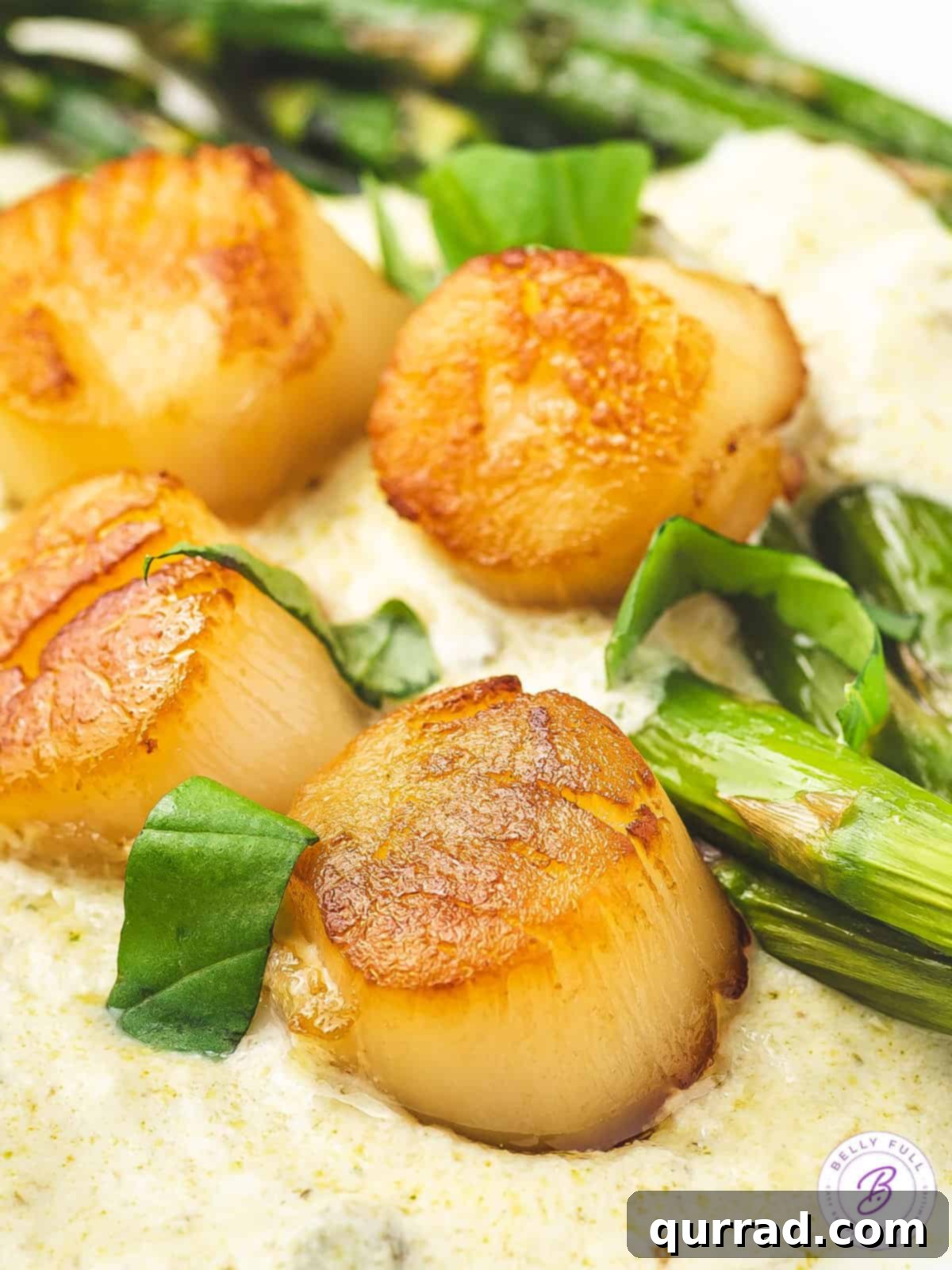
Melt the unsalted butter in an extra-large nonstick skillet or a well-seasoned cast iron pan over medium-high heat. The key to a good sear is a hot pan. Once the butter is sizzling and just starting to foam, carefully add the seasoned scallops to the pan in a single layer, ensuring they are not overcrowded. Cook for 1½ to 2 minutes per side. Resist the urge to move them; allow them to develop a beautiful, golden-brown crust. They should be translucent in the center and opaque around the edges. Transfer the perfectly seared scallops to a clean plate immediately to prevent overcooking.
3. Craft the Luxurious Pesto Cream Sauce
Using the same skillet (no need to clean it – those browned bits add flavor!), reduce the heat to medium-low. Add the heavy cream, low-sodium chicken broth, basil pesto, and rinsed capers. Bring the mixture to a gentle boil, then reduce the heat to a simmer. Allow the sauce to simmer for 2 to 3 minutes, stirring occasionally, until it thickens slightly to a luscious consistency that coats the back of a spoon.
4. Plate, Garnish, and Serve with Panache
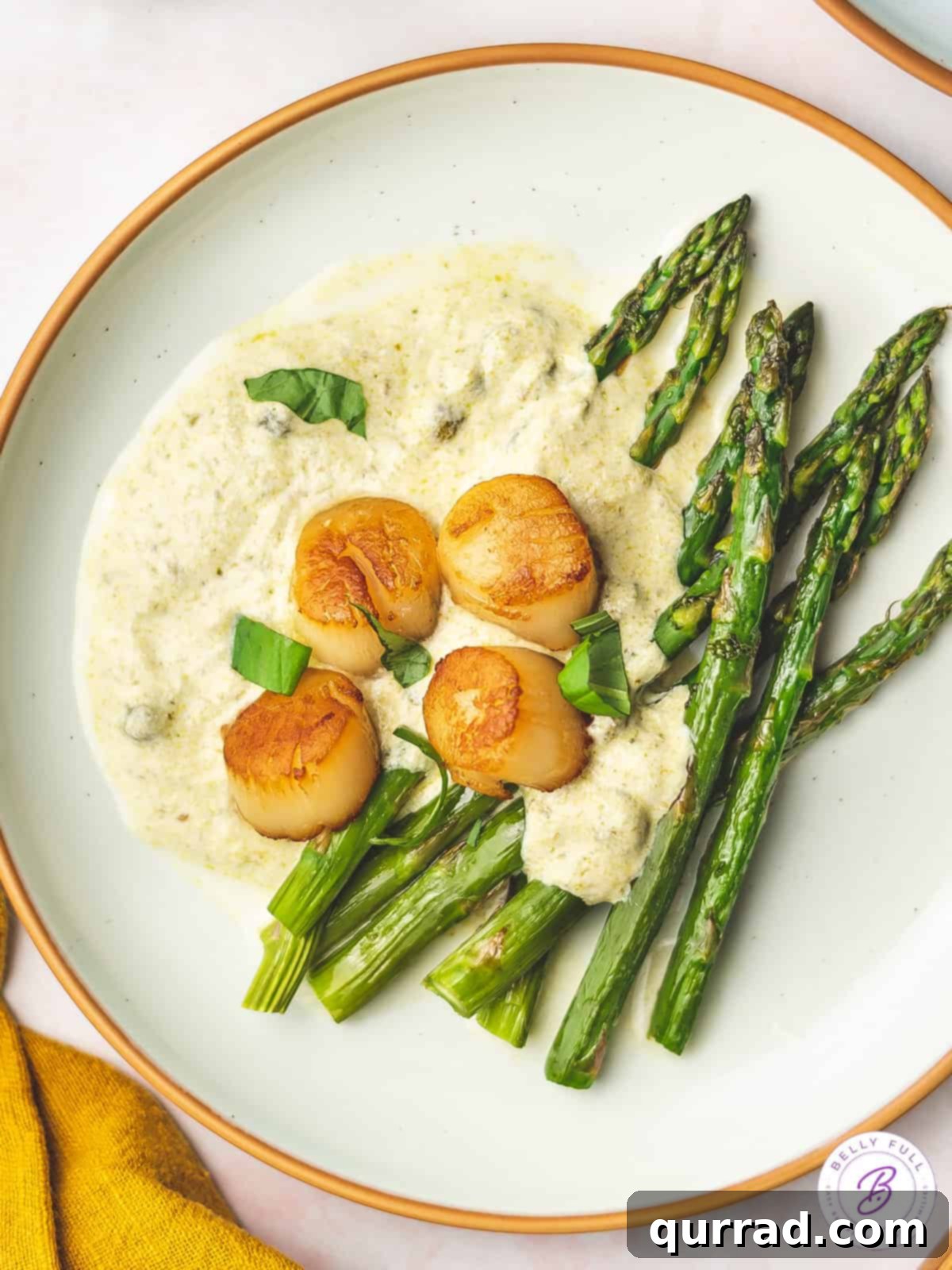
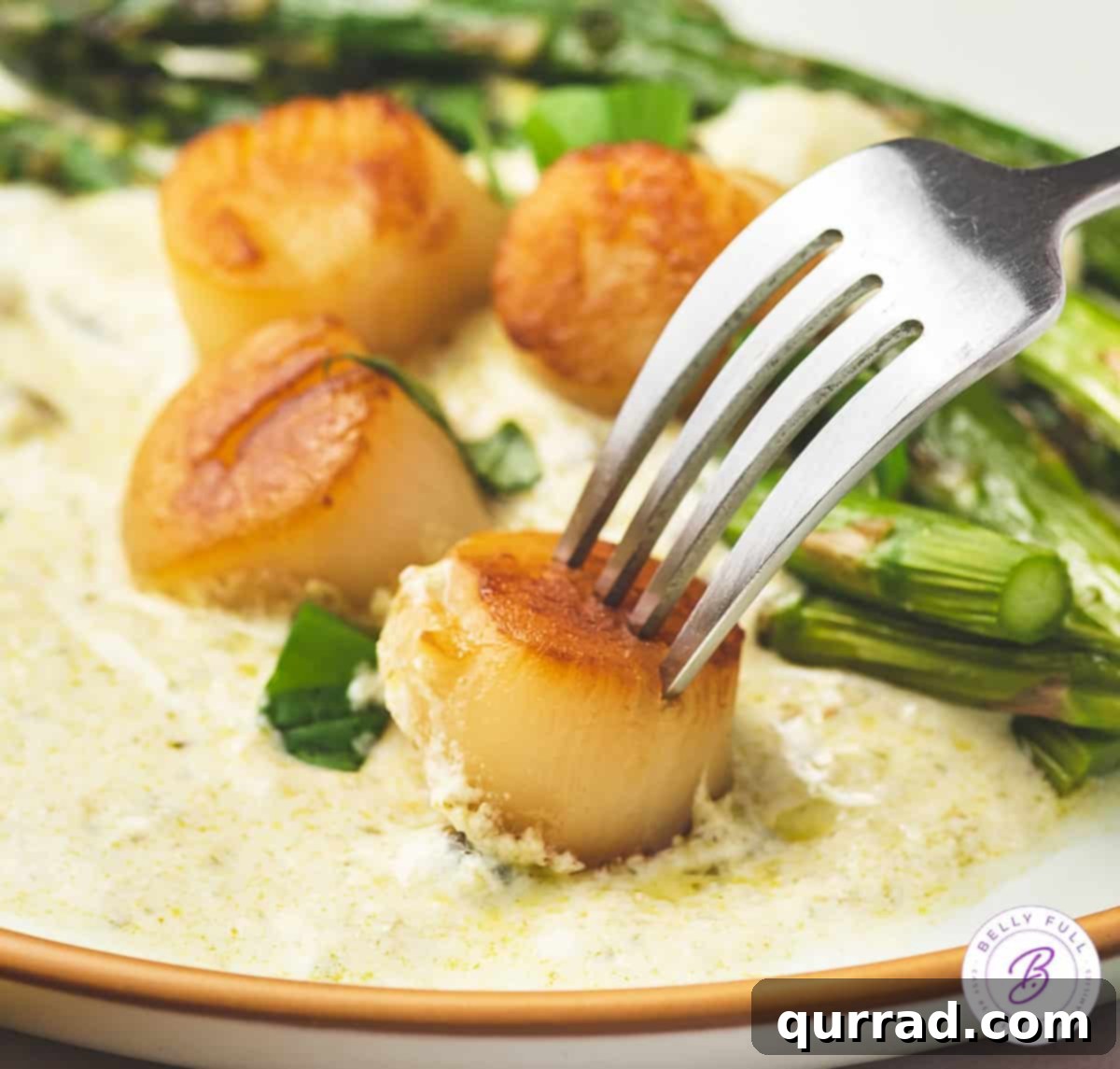
To serve, spoon a generous amount of the warm pesto cream sauce onto individual plates. Arrange 4 to 5 of the golden-brown seared scallops artfully on top of the sauce. Finish with a sprinkle of freshly chopped basil leaves for a burst of color and aroma. These scallops are exquisite when served immediately alongside a vibrant green vegetable, such as tender oven-roasted asparagus.
Essential Tips for Scallop Searing Success
Cooking scallops to perfection is a simple technique that yields incredible results, but a few key practices can make all the difference. Here are some invaluable tips, especially if you’re new to searing scallops:
- Thorough Moisture Removal is Non-Negotiable: This is arguably the most critical step. Scallops contain a lot of natural moisture. For them to develop a beautiful, crispy, golden-brown crust through the Maillard reaction (the browning that adds flavor), their surface must be completely dry. Pat them vigorously with paper towels, changing towels if necessary, until there is no visible moisture. Some chefs even place them on a rack in the fridge for 30 minutes to an hour after patting dry, for extra assurance.
- Choose the Right Pan and Heat: A heavy-bottomed skillet is your best friend here, with a cast iron skillet being the absolute ideal. Cast iron retains heat exceptionally well, providing an even, consistent temperature for searing. Ensure your pan is properly hot before adding the butter, and let the butter fully melt and just begin to sizzle (but not burn) before placing the scallops. Medium-high heat is usually perfect.
- Avoid Overcrowding the Pan: It’s tempting to cook all the scallops at once, but resist this urge. If you put too many scallops in the pan at one time, they will lower the pan’s temperature significantly. This causes the scallops to steam in their own juices instead of searing, resulting in a rubbery texture and a lack of golden crust. Cook in batches, leaving ample space between each scallop.
- Timing is Everything – Don’t Overcook: Scallops cook incredibly fast. Overcooking is the most common mistake and will turn their tender flesh tough and rubbery. Aim for 1½ to 2 minutes per side for large sea scallops, or until they have a golden-brown crust and are just opaque throughout. The center should still be slightly translucent. As soon as the second side is beautifully golden, transfer them from the pan immediately to a plate to halt the cooking process.
- Freshness Matters: Whenever possible, opt for fresh, “dry-packed” scallops. “Wet-packed” scallops are often treated with sodium tripolyphosphate (STP), which makes them absorb water, increasing their weight and leading to difficulty in searing properly. Dry-packed scallops will sear beautifully and taste naturally sweeter.
- Bring to Room Temperature: For more even cooking, allow your thawed and dried scallops to sit at room temperature for about 10-15 minutes before searing. This helps them cook more uniformly from edge to center.
Elevate Your Meal: Inspired Serving Suggestions & Pairings
Seared scallops are best enjoyed immediately after cooking to savor their exquisite texture and flavor. While our pesto cream sauce is a meal in itself, pairing it with thoughtfully chosen sides can truly complete the dining experience. Here are some ideas to complement your dish:
- Vibrant Vegetables: Beyond roasted asparagus (or quick air fryer asparagus), consider other green vegetables like tender-crisp roasted broccoli, garlicky green beans, or perfectly charred Brussels sprouts. A simple side salad with a light vinaigrette also provides a refreshing contrast.
- Hearty Grains & Starches: To soak up every last drop of that incredible pesto cream sauce, consider serving with creamy risotto, a light pasta like linguine or fettuccine, or fluffy couscous. Soft, warm dinner rolls or crusty artisanal bread are also perfect for scooping up the sauce.
- Light Carbohydrates: A delicate lemon-herb rice pilaf or even a simple cauliflower rice can offer a lighter alternative while still providing a satisfying base for the scallops and sauce.
- Wine Pairings: The richness of the pesto cream sauce and the sweetness of the scallops pair beautifully with crisp, dry white wines. Think Sauvignon Blanc, Pinot Grigio, or an unoaked Chardonnay. A light-bodied dry rosé could also be a delightful choice.
- Presentation Matters: A sprinkle of fresh herbs (like extra basil or finely chopped parsley), a drizzle of good quality olive oil, or a wedge of lemon on the side can add both visual appeal and a burst of freshness.
Frequently Asked Questions About Seared Scallops
Can I use bay scallops instead of sea scallops for this recipe?
While you can use bay scallops, the cooking time will be significantly shorter (around 30-60 seconds per side), and they won’t develop the same prominent golden crust due to their smaller size. Sea scallops are recommended for their ability to sear beautifully and their satisfying, meaty texture in this particular dish.
Can I make the pesto cream sauce ahead of time?
Yes, you can prepare the pesto cream sauce up to 1-2 days in advance. Store it in an airtight container in the refrigerator. Gently reheat it over low heat, stirring frequently, just before serving. You may need to add a splash of chicken broth or cream to reach the desired consistency as it can thicken upon standing.
How do I know when scallops are perfectly cooked?
Perfectly cooked scallops will have a beautiful golden-brown sear on both sides and will be opaque throughout, with a slightly translucent center. They should feel firm to the touch but still tender, never rubbery. Err on the side of undercooking slightly, as they will continue to cook for a moment or two after being removed from the pan.
What can I substitute for capers if I don’t have them?
If capers aren’t available, you could try a very small amount of finely chopped preserved lemon peel for a similar briny, tangy note. A tiny dash of white wine vinegar or lemon juice added to the sauce can also provide a hint of acidity, though it won’t replicate the distinct flavor of capers.
More Delicious Seafood Recipes to Explore:
- Flavorful Salmon Burgers
- Sweet & Savory Honey Glazed Salmon
- Creamy Baked Halibut
- Classic Shrimp Alfredo
- Exquisite Crab Stuffed Salmon
- Lemony Shrimp Scampi
We hope you adore this deliciously easy and elegant recipe for Seared Scallops with Pesto Cream Sauce! We’d love to hear your thoughts, so please be sure to leave a review below. Don’t forget to connect with Belly Full on TikTok, Facebook, Instagram, Pinterest, and YouTube for more culinary inspiration!
Scallops with Pesto Cream Sauce
Prep Time: 10 mins | Cook Time: 7 mins | Total Time: 17 mins
Servings: 4 servings
With just a handful of ingredients, these Seared Scallops are perfectly cooked and golden, then served with a super simple, but luxurious pesto cream sauce. It’s the perfect option for nicer dinner parties or guests, though great for an easy weeknight dinner too, since it’s ready in under 20 minutes!
Ingredients
- 1 pound large scallops (thawed if frozen), about 20 scallops
- 1/4 teaspoon pepper
- 1/8 teaspoon salt
- 2 tablespoons unsalted butter
- 1 cup heavy cream
- 1/4 cup low sodium chicken broth
- 2 tablespoons basil pesto
- 2 tablespoons capers, rinsed and drained
- Fresh basil leaves, roughly chopped, for garnish
- Roasted asparagus, for serving
Instructions
- Pat scallops dry with paper towels and remove the small band of muscle if it’s still attached; sprinkle with the pepper and salt.
- Melt butter in an extra large nonstick skillet over medium heat. Once sizzling, add scallops and cook 1 1/2 to 2 minutes, flip and cook another 1 1/2 to 2 minutes until translucent and golden brown on the outside. Transfer scallops to a plate.
- Add cream, chicken broth, pesto, and capers to the skillet; bring to a boil, then reduce heat and simmer until thickened, 2 to 3 minutes.
- Evenly distribute the sauce among plates, top with 4 to 5 scallops, garnish with basil, and serve with a few roasted asparagus spears.
Notes
Remove excess moisture. For the scallops to brown properly, there shouldn’t be any moisture. Pat them dry with a paper towel before adding to the pan.
Use a cast iron skillet. If you can, sear your scallops in a cast iron skillet. But even if you use a regular skillet, be sure it’s properly hot and the butter is melted before adding the scallops.
Don’t over-crowd the pan. Leave space between each scallop. If they’re placed too closely together, they can steam instead of sear.
Remove from the pan immediately. As soon as the second side is golden brown, transfer the scallops from the pan so they don’t continue cooking.
Nutrition Information (per serving)
Calories: 363kcal | Carbohydrates: 6g | Protein: 16g | Fat: 31g | Saturated Fat: 18g | Polyunsaturated Fat: 1g | Monounsaturated Fat: 7g | Trans Fat: 0.2g | Cholesterol: 110mg | Sodium: 647mg | Potassium: 307mg | Fiber: 0.3g | Sugar: 2g | Vitamin A: 1210IU | Vitamin C: 1mg | Calcium: 63mg | Iron: 1mg
Nutritional information given is an automatic calculation and can vary based on the exact products you use and any changes you make to the recipe. If these numbers are very important to you, I would recommend calculating them yourself.